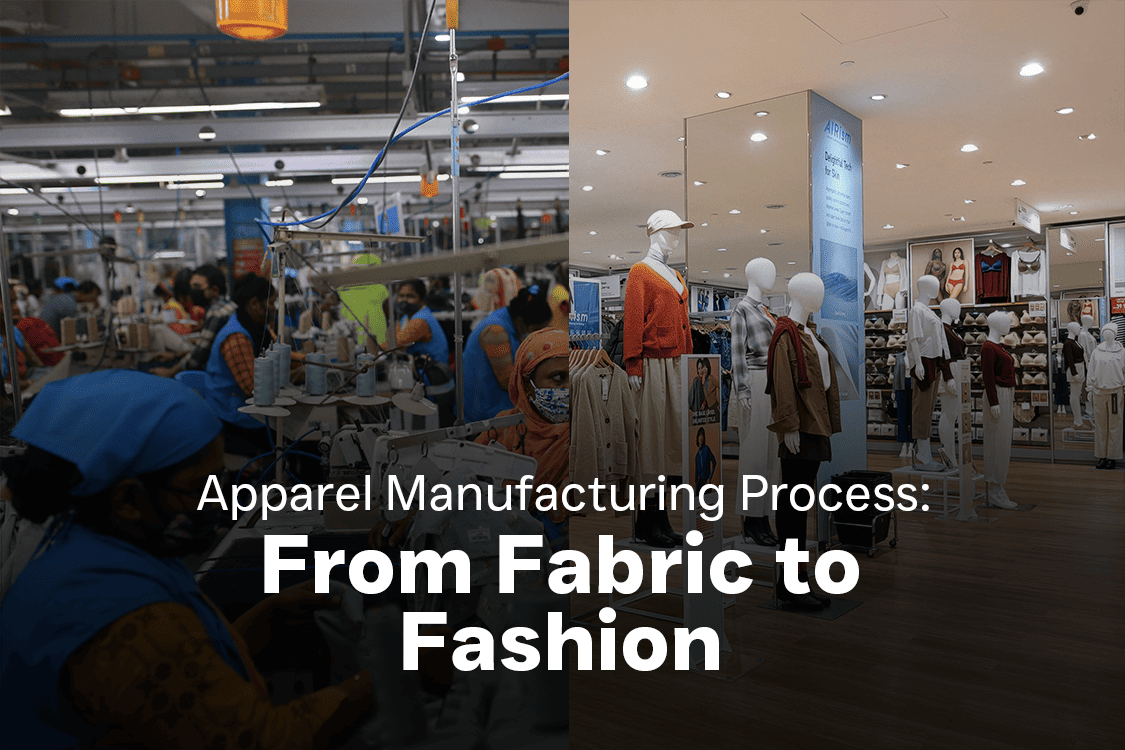
The attractively patterned clothes that you see displayed under bright lights at apparel stores were once random pieces of fabric. A lot of thought and craftsmanship go into the journey of apparel from mere fabric to fashion statements, and in this blog, we will walk you through that process.
The apparel manufacturing process is a wonderful journey in which disconnected pieces of thread, wool and cloth get transformed through meticulous labour and design into beautiful dresses, shirts, or trousers which give you your unique fashion statement. Let us find out the behind-the-scenes stories that go into the making of the beautiful pieces in our wardrobes.
While an apparel manufacturer company will only list their finest creations on their website for you to see, there is a whole unknown journey that they take to achieve that perfection. A basic concept, or a rough sketch for a garment, is only transformed into a real-life garment with a lot of industrious labour and designing skills.
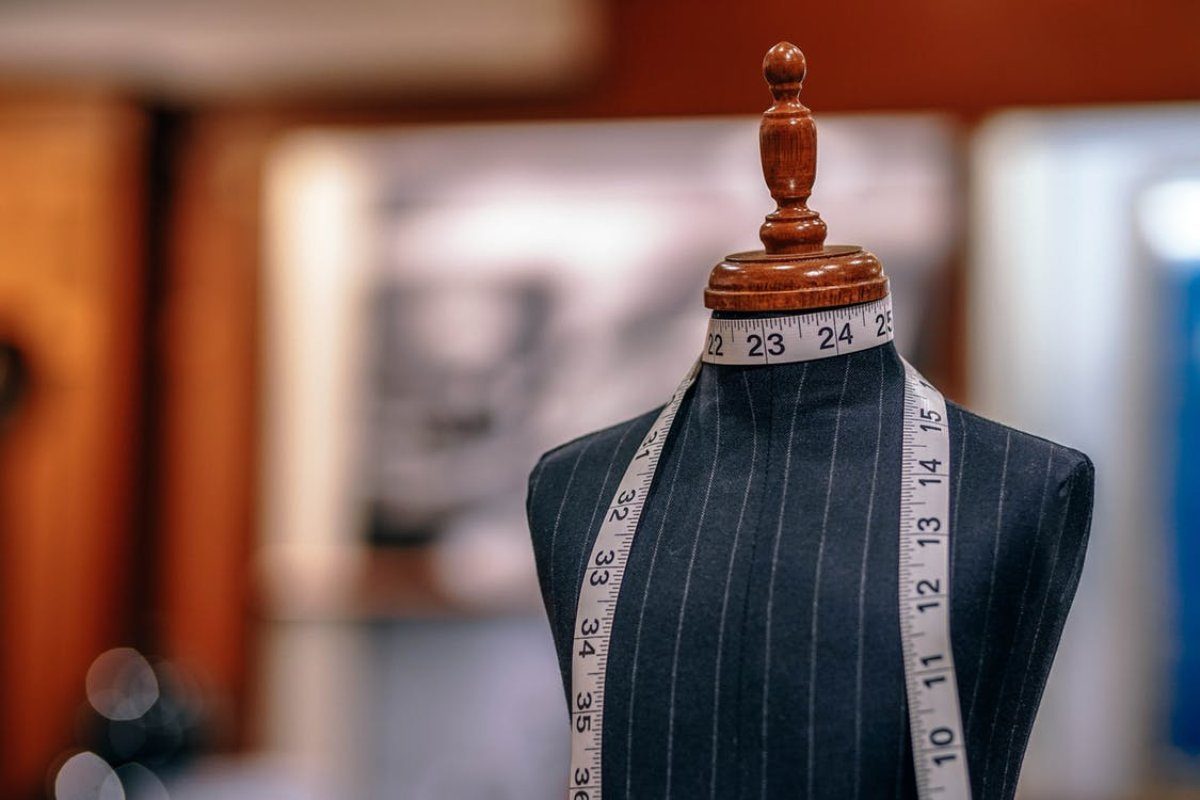
Understanding all the stages involved in the apparel manufacturing process is crucial for designers, brands and even consumers, as it can bring more thought and insight into how they interact with the market. Whether you are exploring the basics of the production of apparel or thinking of starting your own clothing brand, you should be aware of these stages. These go into the creation of every outfit, from start to finish –
1. Conceptualisation and design: Any piece of clothing originates from an idea in the mind of the creator. Designers create rough sketches or patterns that will later develop into a particular outfit. They work on material, colour or fabric and the unique design details that they want in the final outfit they will create.
2. Fabric sourcing and selection: At this stage, which comes after the design stage, usually the fabric manufacturers who supply material for large scale garment production are involved. The apparel manufacturer must, at this point, search for the kind of fabric they need to bring the design alive. They ensure that the raw material they select meets the quality, cost and sustainability parameters that they desire.
3. Sampling and prototyping: Samples are created of each design before mass production can continue. These samples allow designers to see the clothing in 3D or physical samples, test the fitting or weave and make any necessary changes. Sampling is very important in the apparel manufacturing process as it ensures that the final products align with the design planned by the creator.
4. Production planning and timeline: After the team approves the sample, they focus on planning. This stage takes into account the development of a sequence for production, securing resources and communicating with various teams involved. From cutting fabric sections to sewing them together and packing the finished apparel, the company needs to coordinate with all departments.
5. Mass production: Once these stages are complete, the mass production for the design continues. Workers cut, sew and assemble garments according to the requirements of inventories.
6. Packaging and shipping: After the manufacturing process is complete, the company works on carefully checking, packing and preparing the finished products for delivery. The logistics team then manages the process of sending the garments to stores or shipping bulk orders to faraway outlets.
The apparel manufacturing process has a very distinct workflow that continues right from the conceptualisation of designs to packaging and shipping.
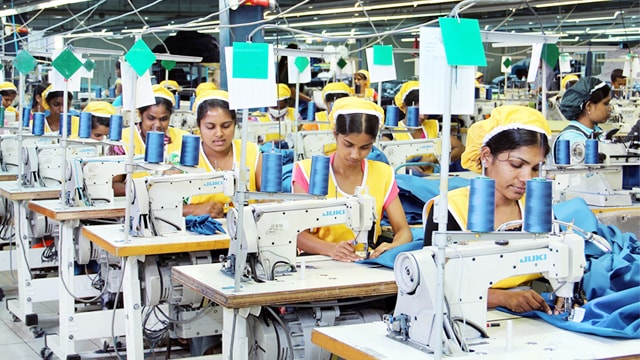
While the previous section sheds light on the managerial and logistical processes involved in the manufacture of apparel, this section will shed light on technical aspects. Here are the stages that go into the transformation of fabrics to finished items of clothing –
1. Design: The inventive ideas are turned into handmade sketches or digital ones.
2. Making of patterns: In accordance with what the designer has chalked out in his sketch, patterns are made for the outfit out of thread or wool. Before that, the designer may focus on creating more clarity, adding more detail to technical patterns. This helps craftsmen to cut fabric and make clothes in complete alignment with the designer’s concepts.
3. Cutting: Workers now focus on creating templates for each pattern that will go into the garment as the designer has visualised them. This helps to save fabric and reduce the wastage of raw material to a minimum level.
4. Sewing: The pieces that the workers have cut out to make patterns and sections according to the design of the garment are then sewn together. They are either stitched together by skilled workers or by automated machines. This process helps to give a distinct shape to the garment in keeping with the original design.
5. Finishing: After the machine or workers have sewn fragments of fabric together to give the garment a distinct shape, more details are added to make it attractive. Many details can be added based on what the design has proposed, be it buttons, extra thread work, embroidery, etc.
6. Quality check: After all the details are added and the garment is ready, the company performs several quality checks on it. This helps to ensure that it aligns with the design and is of sufficiently good quality. Based on the results that the company gets out of the quality check, the company will decide whether the apparel can be sent to stores for sale.
The process of manufacturing clothes is more nuanced and comprehensive than it may seem. It is not a mere process of getting fabrics together and stitching them in a way fit to wear. Various technical and creative details go into the process from conceptualisation to packaging.
From rough designs by the creator, the industrious cutting, sewing and detailing by machines and workers, to quality checks, the journey from fabric to fashion is one of meticulous precision. Hence, you should be aware of the details of what goes into the manufacturing of clothes, which will help you in choosing the right apparel manufacturing partner.