


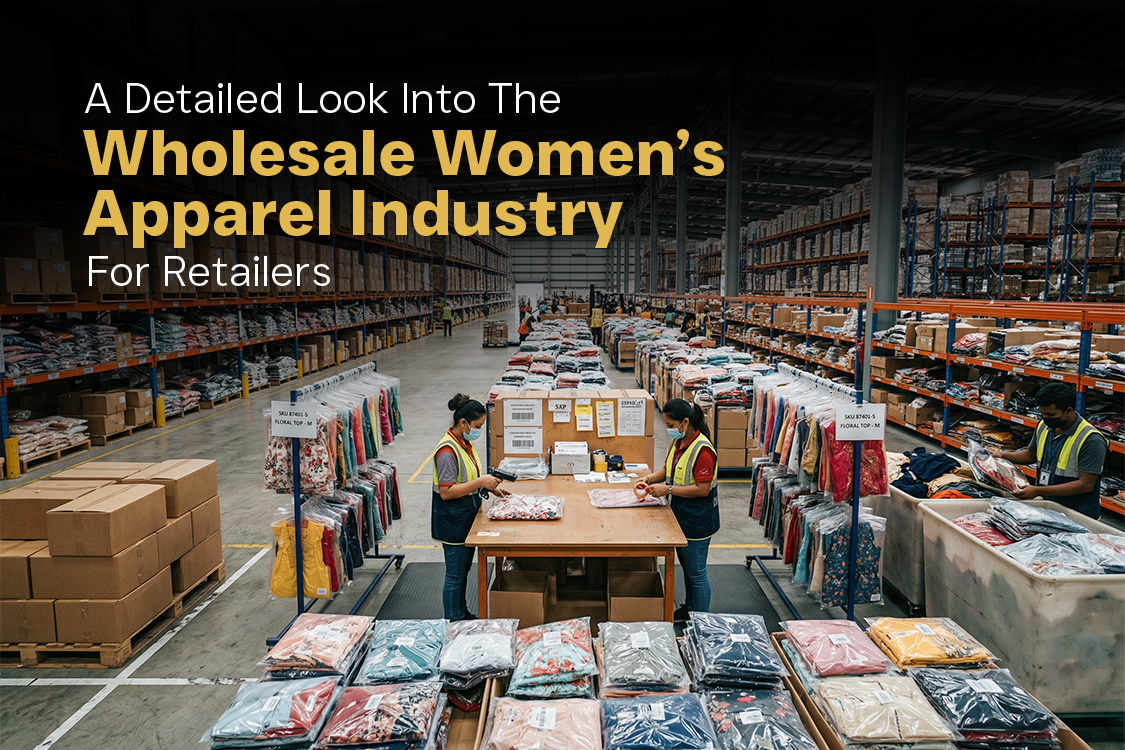
Fashion is the most dynamic sector in the global economy. Within it, there are several domains, and the wholesale women’s apparel industry holds a crucial position, acting as the main link between manufacturers and the retailers who bring clothing to everyday consumers. Understanding how this industry works is not just beneficial but also essential for overall survival and growth for retailers in particular.
From independent stores to major retail chains, sellers depend heavily on wholesale suppliers to keep sufficient inventories in hand. However, the apparel industry for retailers can be cumbersome, especially with the growing number of choices, different channels, and market forces that dominate the realm of fashion.
In this comprehensive guide, we will break down the important elements of the wholesale women’s clothing industry. This will also offer a road map for lsing as well as established retailers to make smarter and more informed decisions regarding wholesale, sourcing, and management of inventories.
The women’s apparel industry is a business worth billions of dollars and ranges from casuals to formal wear, activewear, lingerie, and even outerwear. The market comprises wholesalers or distributors supplying large quantities of apparel at reduced rates to the retailers, who then mark them up for sale.
In addition, the Wholesale Women’s Apparel Industry can be segmented in the following manner:
Comprehensive knowledge of these segments will help retailers identify their specific requirements.
To succeed in the Apparel Industry for Retailers, it is essential to remain aware of current market trends. Here are some important trends in the wholesale women’s clothing industry:
1. Growth of Online Sales and Omnichannel Retailing
The shift towards e-commerce and omnichannel selling has dramatically changed the way retailers acquire and sell women’s clothing. Numerous wholesale suppliers provide various platforms such as catalogs and B2B portals. Retailers that have managed to combine their physical stores with online sales experience tremendous growth and can maintain consistent survival and revenue.
2. Focus on Environmental Issues and Ethical Consumers
Today’s customers, especially women, tend to be very aware of clothing and their production process. As a result, there is a growing demand for environmentally-friendly materials such as organic cotton, recycled polyester, and Tencel. In line with this thought, as members of the Clothing Wholesale Manufacturer business model, many suppliers strive to adopt environmentally sound practices that are in line with women’s needs.
3. Advanced Analytics for Inventory Control
Retailers use advanced analytical tools to make accurate predictions about future demand, prevent overstocking, and place more effective orders from wholesale suppliers. It has become a critical component of successful operations in the wholesale women’s apparel industry, as it has helped them avoid spoilage as well.
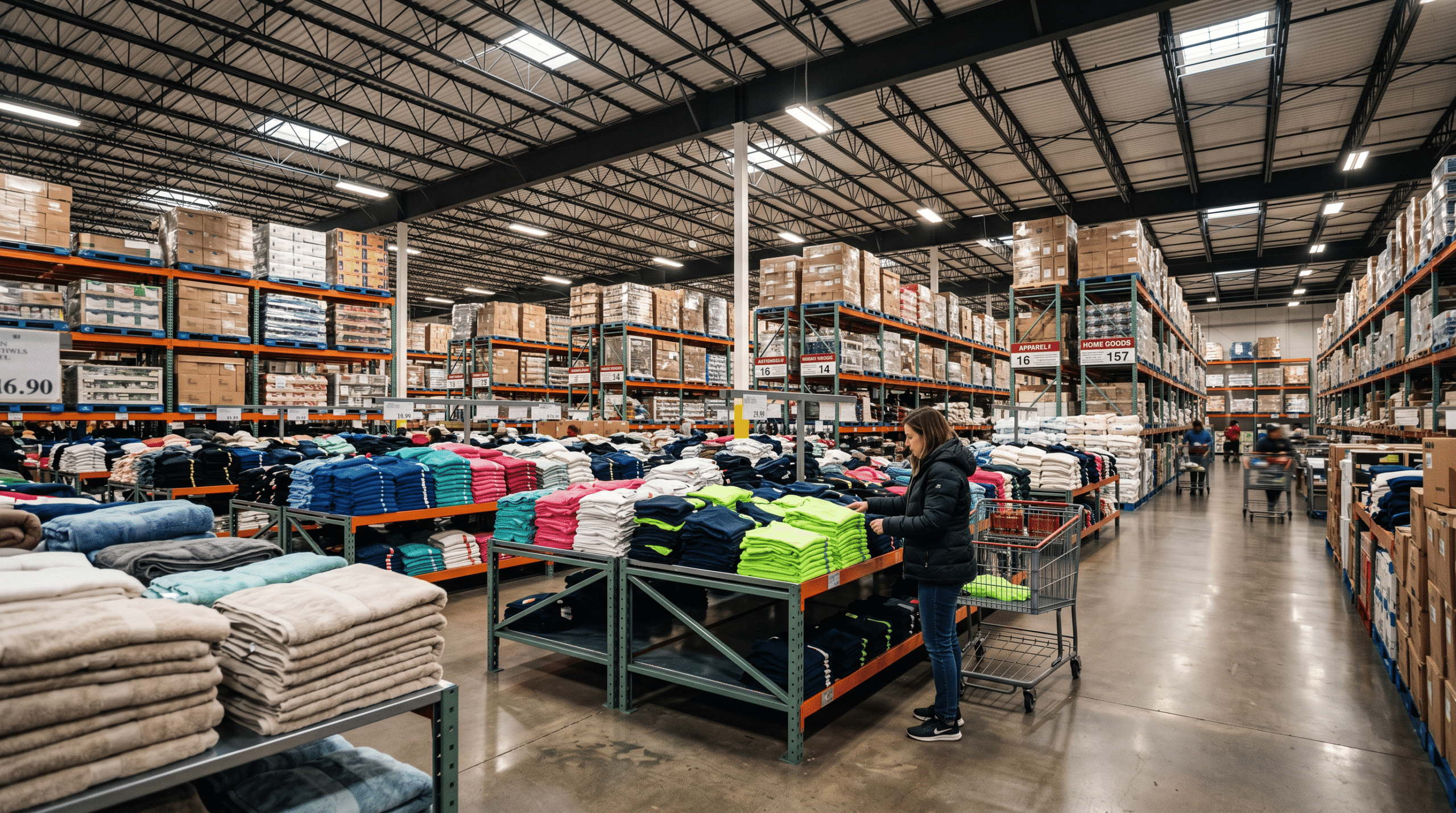
Finding the right clothing wholesale manufacturer is very important for retailers. A good manufacturer makes sure your products are of good quality, delivered on time, and priced just right. All of this affects how much profit your brand can make. Here are some practical tips for finding the right manufacturer.
Joining groups related to the apparel industry for retailers gives you access to trusted suppliers and resources. This can help retailers be sure of the quality. Also, Referrals and Peer Networks become useful tools. Along with that, direct factory visits for taking orders or visiting factories in person let you check quality, capacity, and working conditions, ensuring the best output available.
The apparel industry for retailers has lots of opportunities despite some challenges. Emerging markets in countries like Asia, Africa, and Latin America are developing fast. They represent new markets for wholesale women’s apparel. Niche specialization is also gaining traction as retailers who focus on areas like modest fashion, maternity wear, or sustainable clothing can build a loyal customer base with less competition.
Social media platforms like Instagram, TikTok, and Pinterest let women’s fashion retailers reach millions of customers easily. Women’s apparel retailers can use these platforms to grow exponentially.
Provided they have the right knowledge and strategy up their sleeves, retailers can realize massive growth opportunities within the wholesale women’s apparel industry, which is a fast and competitive industry. Many factors contribute to success within the apparel industry, including proper understanding of market segmentation, staying updated with trends in the wholesale women’s apparel industry, and making smart choices when selecting a clothing wholesale manufacturer.
Q1: What is the most efficient way for a new retailer to start buying from the wholesale women’s apparel industry?
The most practical way for a new retailer would be to conduct research to identify trusted manufacturers, either by attending trade shows or exploring B2B websites. Also, it becomes important to first place small orders rather than place bulk orders when one is not certain of the product quality and consumer interest.
Q2: What are the trends currently shaping the women’s apparel industry?
The essential trends in the wholesale women’s apparel industry include e-commerce, sustainable and ethical clothing production, data-driven inventory management systems, and customized clothing. Retailers that align themselves with these developments and trends are best positioned to claim market share in the dynamic apparel industry for retailers.
Q3: Is it better to source from domestic or international Clothing Wholesale Manufacturers?
There are advantages and disadvantages to both. Domestic manufacturers help provide quick response rates, smooth communications, and low shipping costs, which makes them suitable for trendy clothing and small orders. While foreign manufacturers in different countries can offer better prices for large orders. The choice depends on the needs of the company, particularly.


