Go into any clothing factory, and you will see lines of sewing machines running at high speed. It looks busy, but a factory’s real profit isn’t decided by how fast people sew. The real money is won or lost way earlier on the cutting table.
Margins in this business are incredibly small. Buying fabric accounts for about 60% to 70% of your production costs. When you make clothes for major US brands, you cannot afford to waste even a few inches of material. Sadly, many factory owners still treat cutting like a secondary chore. They worry about faster sewing when they should be focusing on smarter cutting.
This is where fabric roll planning changes everything.
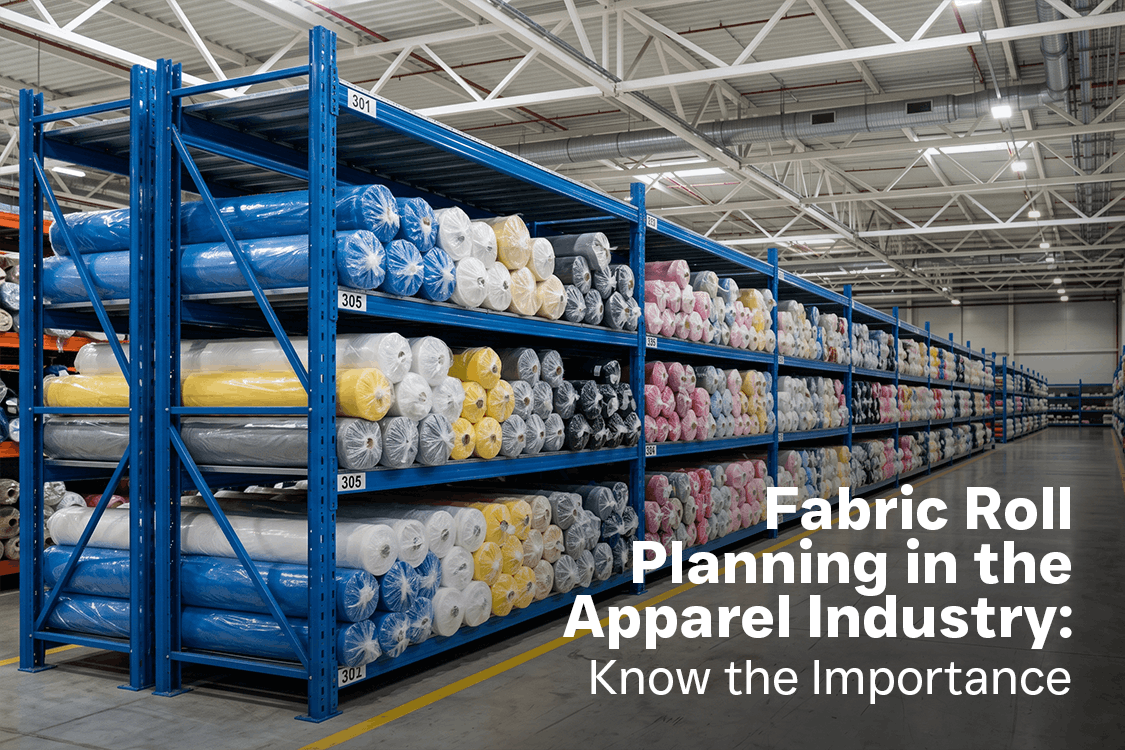
Think of roll planning as a basic sorting job. You check your current orders and pull out the exact fabric rolls from your warehouse that match those specific marker layouts. Doing this by hand is a mess. When you use a clear plan, you stop waste, protect your timelines, and help apparel manufacturers in Jordan stand out in a tough market.
Without a strict roll plan, cutters just grab whatever fabric roll sits closest to the table. It feels fast, but it ruins your profit margins.
Take “end bits” as an example. These are short, leftover pieces at the very end of a roll. They are too small to fit your garment patterns, so you cannot use them. They go right into the trash. That is literal cash down the drain because nobody checked the roll length before cutting.
Then you have shade variation issues. Two rolls might look the same under warehouse lights. But if you cut them together without checking, the panels will clash once the clothes are sewn. A sleeve ends up looking darker than the chest panel under retail store lights. Your quality team gets stuck with a pile of rejected goods.
In the global apparel industry, these sloppy daily errors add up to thousands of lost dollars every single week.
Supply chains snap quickly these days. A small logistics delay in one part of the world creates a huge slowdown everywhere else.
Look at what happens to trade routes during regional friction. Due to the events like the US–Iran conflict, Apparel Manufacturing hubs had to navigate instantly tangled shipping lanes. Fabric shipments get stuck at ports, and fuel prices climb. When importing raw materials costs more, your production budget gets hit hard.
Shipping Lane Bottlenecks ➔ Rising Fabric Costs ➔ Zero Margin for Material Waste
When fabric costs more and takes longer to arrive, waste kills your business. Top apparel manufacturers in Jordan know this reality. They tighten their fabric roll planning to create a shield against international chaos. You cannot control global politics, but you can control your cutting table.
Bringing a clear roll strategy onto your factory floor changes the whole operation. It fixes three major production problems at the same time.
1. It cuts down fabric waste fast:
Planning tools figure out the best mix of roll lengths and widths for a specific job. It matches your inventory to your cutting markers so tightly that leftover scraps disappear.
2. It stops color mixing completely:
A real plan sorts your rolls by their exact dye lot before anyone cuts them. Every single panel of a shirt comes from the same batch. Your rejection rate drops to zero.
3. It speeds up the workspace:
Cutters don’t waste time looking for fabric or guessing which roll to grab next. They just follow a simple, step-by-step list. The floor stays on track, which keeps strict US retailers happy.
At Classic Fashion, we don’t leave fabric used to guesswork. We treat it like a precise science. Our factory groups work with top US brands, and we know our buyers need their orders delivered on time, every time.
We don’t wait for mistakes to pop up on the sewing line. Our teams check the exact width, stretch, and color group of every single roll before it leaves the warehouse racks. This style means we handle sudden market shifts and tight shipping deadlines easily. While global supply chains go up and down, our material yield stays steady, keeping our operations lean and our partners profitable.
The future of the apparel industry belongs to fast, smart, data-driven operations. Relying on old manual habits leaves blind spots that modern budgets just cannot handle. Better fabric use lowers your costs, cuts down on waste, and keeps your quality high.
If you want to secure your supply chain with a manufacturer that cares about precision as much as speed, get in touch with Classic Fashion today. Let’s talk about how our advanced planning methods can protect your business.
Fabric roll planning is not a boring chore for warehouse workers to handle. It is a vital business choice. It decides how well your brand survives a tough market. Shipping lines are unpredictable and economic changes happen fast. Because of this, leading businesses do not leave their fabric yield to luck. Treat every yard of fabric like a real investment. It protects your cash flow, keeps deliveries on time, and ensures the clean quality global brands expect. Real efficiency means looking at the big picture, and that always starts right at the cutting table.
1. What makes lay planning different from roll planning?
Lay planning is about geometry; it is the puzzle of arranging garment patterns on a marker to get the tightest fit. Roll planning goes a step further by looking at the physical rolls in your warehouse. It picks the specific rolls that match those marker lengths so you don’t end up with useless, short scraps at the end of a run.
2. Why does shade variation cause so many product rejections?
Even when fabric comes from the same mill, different dye batches usually have tiny color differences. If you cut panels from random rolls without sorting them first, the different parts of a single shirt won’t match when sewn together. This looks cheap, and top global brands will reject the order immediately.
3. How do apparel manufacturers in Jordan keep their cutting floors running smoothly?
The best factories scan and sort fabric rolls the second they hit the delivery dock. By tracking real-time data like exact width and fabric stretch, planners can set up production runs that fit the fabric’s natural traits, stopping costly cutting mistakes before they ever happen.