Every single clothing item starts with one basic choice. You must pick the right fabric for your collection.
Smart apparel brands pick the right materials early in the planning stage. They make durable products that sell well across retail markets. Unprepared brands skip this important step entirely. As a result of which they have to deal with high return rates, poor reviews, and low profit margins.
This detailed guide covers key material options in Wholesale and Custom Clothing Manufacturing. It helps you choose fabrics that protect your profit margins and strengthen your market reputation.
Fabric can help build or break a clothing line.
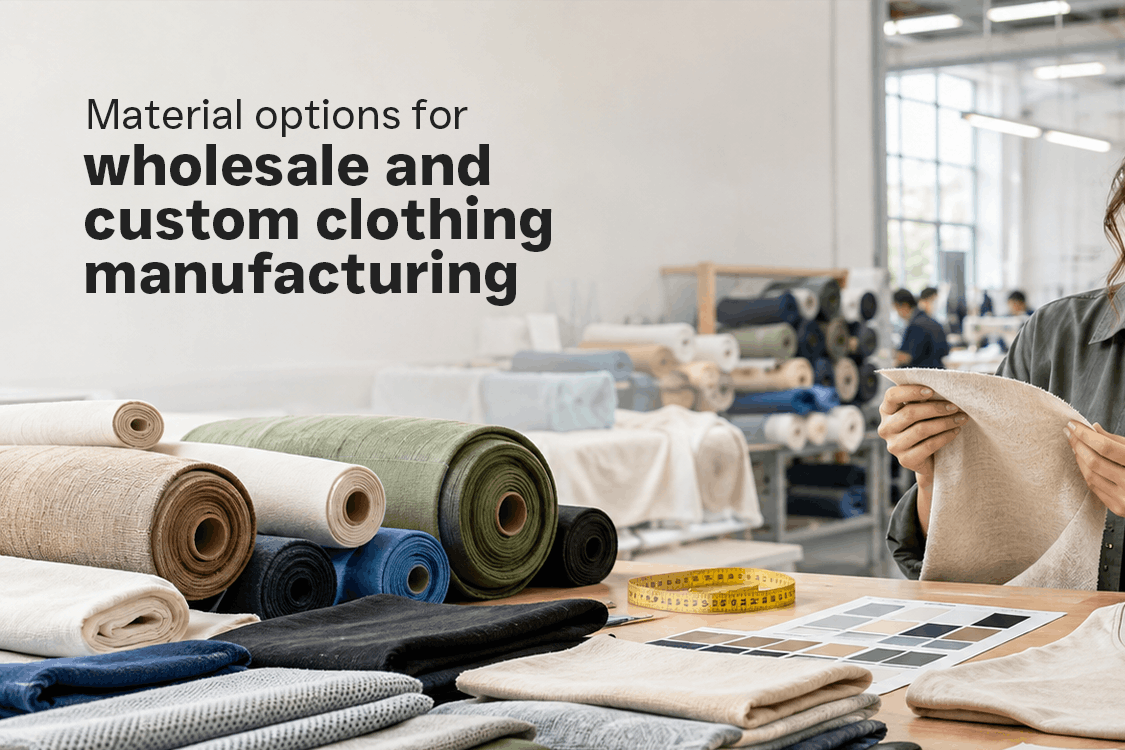
Cotton gives a comfortable feeling when it touches the skin. It breathes easily throughout the day. However, pure cotton wrinkles quickly after washing. Polyester keeps its original shape and lasts long. Yet, pure polyester traps heat against your body.
Fabric blends combine different benefits into one balanced product. But a bad blend ratio creates new problems for buyers and wearers alike.
Smart buyers study these trade-offs before placing orders with suppliers. They save weeks of useless back-and-forth communication with factory teams.
Cost connects directly to fabric quality in every apparel order. The U.S. clothing market reached nearly $365 billion in 2025. Supply chain decisions drive most of that money across global trade routes.
If you pick the wrong fabric, every single step in production becomes expensive. Fabric cutting, pattern sewing, and final garment finishing cost far more money when working with difficult materials.
Our factories divide textiles into several main groups. Each category serves different product lines and specific price points:
Good fabric requires a strict manufacturing process from start to finish. Treat this section as your guide To perfect custom clothing manufacturers. Follow this checklist before signing any production contract with a factory.
First, check raw material sourcing. Ask where the factory buys raw fabric rolls. Ask how inspectors check fabric rolls upon delivery at the warehouse. A good partner rejects bad fabric before cutting begins on the factory floor.
Second, demand physical pre-production samples. A factory that makes real samples saves you from big production errors later. Never approve bulk orders using tiny fabric swatches alone. This step stays critical in any Guide To Perfect Custom Clothing Manufacturers.
Third, verify factory capacity. Small facilities fail when order volumes jump unexpectedly. A large facility handles sudden demand spikes smoothly. It meets your strict delivery deadlines every time without compromising garment quality.
Jordan plays a huge role in global apparel manufacturing today. Custom Clothing Manufacturers in Jordan use favorable trade deals to ship goods duty-free into the United States. This benefit cuts landed costs significantly for American buyers.
Jordan sits near European trade routes. Shipping times run shorter compared to factories operating in East Asia.
Custom Clothing Manufacturers in Jordan bring decades of experience working with top global retail brands. They handle large production orders smoothly and efficiently.
Classic Fashion operates out of Amman, Jordan. The company runs a fully integrated production setup. They handle fabric mills, cutting, printing, embroidery, and garment washing under one roof. This setup eliminates third-party delays. Many global brands now use Jordan as a top supply source for international distribution.
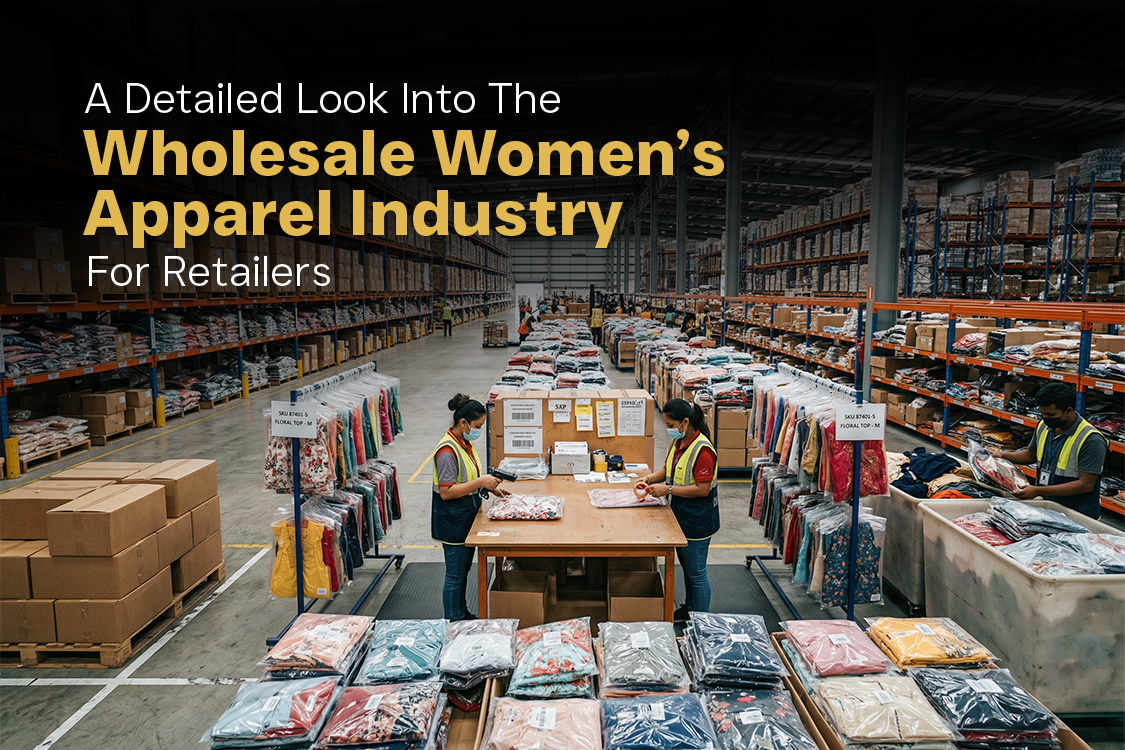
Fabric demands change fastest in women’s apparel categories. The Wholesale Women’s Apparel Industry holds the largest share of overall U.S. clothing sales. It moves faster than men’s or children’s wear across all retail channels.
Soft-touch blends and stretch knits drive sales in the wholesale women’s apparel industry. Retail buyers want materials that keep their shape after multiple washes. Expanded size ranges force factories to test fabric fit across diverse body types.
Sustainability shapes modern buying decisions today. Retail buyers actively demand recycled content and organic fabric certificates before placing bulk orders with suppliers.
Ask yourself these five questions before locking in your fabric selection for wholesale and custom clothing manufacturing:
The decision of the fabric controls everything in production: garment fit, total cost, durability, and overall customer satisfaction. Wholesale and Custom Clothing Manufacturing works effectively only when factories lay more importance on raw materials from the start of the project.
Classic Fashion brings decades of experience sourcing and testing fabrics for global apparel brands. We test every single batch of material before mass production begins in our facility. Contact our team by emailing us at info@classicfashion.com today to start your next manufacturing project!
1. What is the difference between wholesale and custom clothing manufacturing?
Wholesale manufacturing produces ready-made styles in bulk for immediate retail sale. Custom manufacturing creates unique garments using your specific designs, custom specifications, and fit guides.
2. How do I select the right fabric for a bulk order?
Evaluate your garment function, target budget limits, and washing care requirements first. Always request a physical sample garment before approving full bulk production.
3. Why do global brands manufacture clothes in Jordan?
Jordan provides duty-free entry into the U.S. market under trade agreements. It offers faster shipping routes to Europe and houses experienced production facilities.
4. What is a normal minimum order quantity for custom apparel?
Minimum order requirements vary by factory capability and fabric type. Factories set specific minimum piece counts per style and colorway to maintain efficient production runs.
5. How long does bulk custom clothing production take?
Production times depend on raw material availability and total order volume. Most factories complete and ship bulk orders within a few weeks after sample approval.